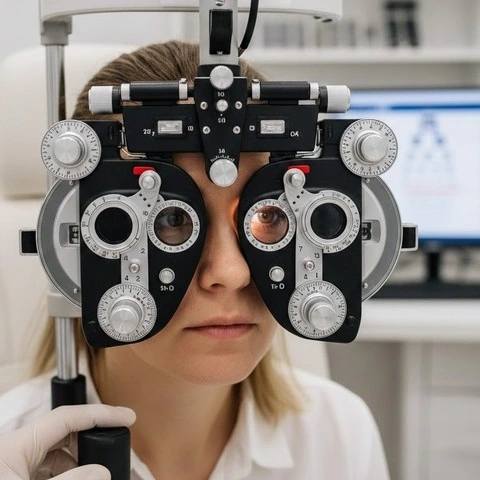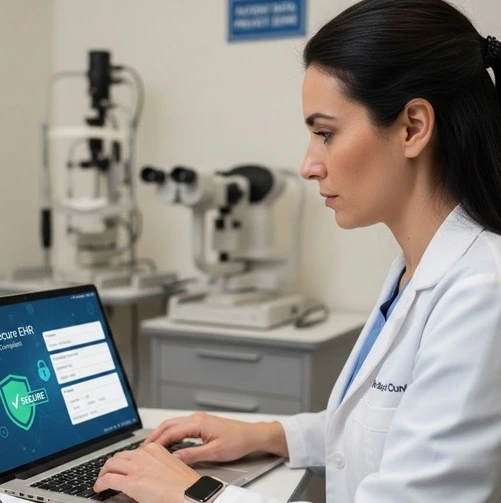
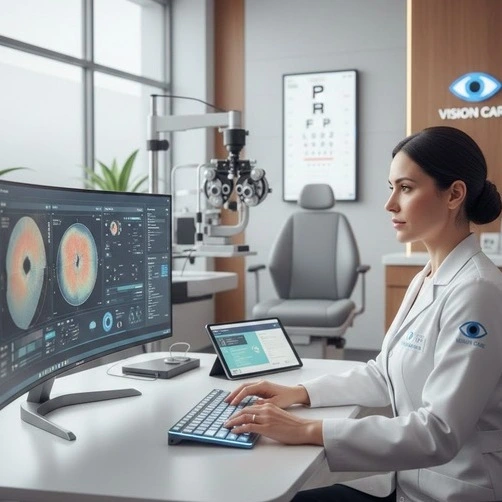
Optometry software systems are specialized digital solutions designed to manage the clinical, administrative, and billing processes of optometry practices. They support patient record management, diagnostic data, prescriptions, and communication workflows. With growing regulatory emphasis on data security and interoperability, these systems ensure compliance while enhancing productivity. How do they transform the daily operations of eye care clinics?
Key Takeaways
- Optometry software systems integrate EHR, billing, and patient management.
- They enhance accuracy, security, and compliance.
- Cloud-based platforms suit clinics of all sizes.
- Patient portals and telehealth drive engagement.
- Future trends emphasize real-time data and interoperability.
What are the core functions of optometry software systems?
Optometry software systems combine multiple modules that streamline both clinical and administrative tasks:
- Electronic Health Records (EHR): Store and retrieve detailed patient data.
- Practice Management: Manage appointments, reminders, and staff schedules.
- Billing & Insurance: Automate coding, claims submission, and payment tracking.
- Inventory Management: Track optical products, lenses, and frames.
- Reporting Tools: Generate compliance and performance analytics.
These functions create a centralized workflow, ensuring accuracy and efficiency across departments.
How do optometry software systems improve clinical accuracy?
Clinical accuracy is enhanced through integrated diagnostic tools and structured recordkeeping:
- Automated Data Capture: Import results from devices like autorefractors and visual field analyzers.
- Prescription Management: Reduce manual entry errors with digital templates.
- Visual Documentation: Incorporate retinal images and test results directly into patient files.
Platforms such as RevolutionEHR and Eye Cloud Pro exemplify these integrated functionalities.
What compliance and security standards do these systems follow?
Optometry software systems adhere to healthcare data regulations to maintain confidentiality and integrity:
- HIPAA Compliance (U.S.) ensures patient data protection.
- HL7 and FHIR Standards support interoperability between systems.
- Data Encryption & Access Controls prevent unauthorized access.
These standards align with global best practices for electronic medical record management.
How does optometry software benefit practice management?
Optometry practice management software centralizes workflow, reducing administrative burden.
Key benefits include:
- Automated Scheduling with reminders and patient notifications.
- Centralized Record Access across multiple practice locations.
- Performance Metrics through data dashboards for decision-making.
- Staff Coordination Tools to optimize time allocation.
Platforms like Adit Optometry and EHNote demonstrate how integrated scheduling and billing improve daily operations.
Which optometry software systems are most recommended for different practice sizes?
| Practice Type | Recommended Software | Key Feature |
| Solo Practitioners | Eye Cloud Pro | Simple setup and cloud-based access |
| Mid-sized Clinics | RevolutionEHR | Full-featured practice and EHR integration |
| Large Networks | Adit Optometry, EHNote | Multi-location management |
| Budget Practices | Free Optometry EHR | Basic features with limited customization |
People also explore best EMR software for optometrists and ophthalmology EHR software when evaluating system options.
How do optometry software systems support patient engagement?
Modern systems promote active communication and transparency:
- Online Booking Portals for ease of scheduling.
- Patient Portals allowing access to test results and prescriptions.
- Telehealth Integration for remote consultations.
- Automated Follow-ups via email or SMS.
These features improve satisfaction and retention, aligning with digital patient experience trends.
What are the future trends in optometry software systems?
Upcoming advancements will emphasize:
- Cloud-Based Scalability for remote access and data backup.
- Integration with Diagnostic Devices for real-time analytics.
- Enhanced User Interfaces with intuitive dashboards.
- Data-Driven Insights for preventive eye care and early detection.
Such developments redefine efficiency, precision, and patient interaction in optometry practice management.

Conclusion
Optometry software systems play a critical role in unifying patient data, diagnostics, and billing for efficient practice operations. As digital transformation accelerates, selecting the right software for optometry ensures compliance, better care coordination, and long-term scalability for practices of all sizes.
FAQ
What is an optometry software system?
It’s a digital platform for managing clinical records, appointments, billing, and patient interactions in eye care practices.
How does EHR differ from practice management software?
EHR focuses on clinical data, while practice management software handles scheduling, billing, and workflow coordination.
Is optometry software HIPAA compliant?
Yes, most leading solutions follow HIPAA and global data protection standards to secure patient information.
Can small clinics use optometry software effectively?
Yes, cloud-based options like Eye Cloud Pro or Free Optometry EHR are ideal for small practices.
Does optometry software support telemedicine?
Many modern platforms include video consultation and remote prescription features for tele-optometry services.
Sources
https://adit.com/optometry
https://www.capterra.in/directory/10038/optometry/software
https://www.revolutionehr.com/
https://www.softwaresuggest.com/optometry-software
https://ehnote.com/services/optometry-practice-software
https://www.iplum.com/blog/best-optometry-ehr-software?srsltid=AfmBOooolA-mPN9PjI0qSRUk2rL4XqzkA4BaM-abuCzlJMgnZxu-aFPY
https://www.doctorsapp.in/emr/best-optometry-electronic-medical-records
https://eyecloudpro.com/
https://content.visionweb.com/practice-management-and-ehr-software-faqs
https://www.appvizer.com/health/optometry