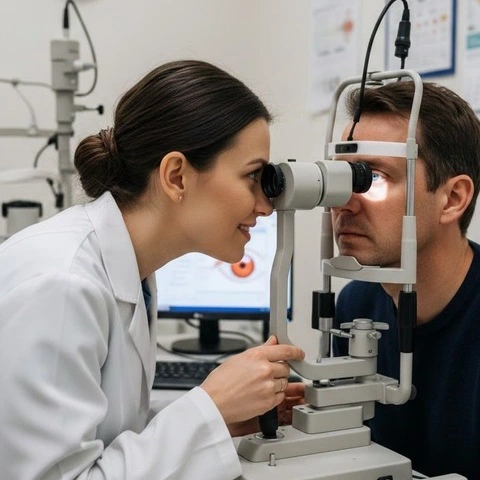
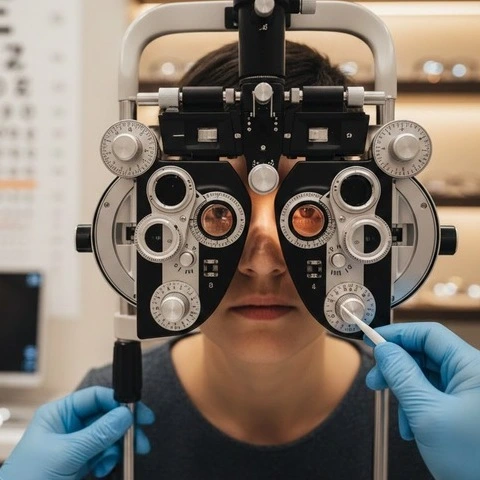
Customizable optometry software refers to adaptable digital systems designed to meet the specific clinical, administrative, and retail needs of optometry practices. These platforms enable practitioners to modify templates, workflows, and integrations according to operational requirements. Why does customization matter in modern optometry? Because every practice operates under unique patient loads, diagnostic tools, and compliance obligations.
Key Takeaways
- Customizable optometry software adapts to unique clinical and retail workflows.
- Enhances data accuracy, compliance, and patient interaction.
- Supports integration with diagnostic and retail systems.
- Essential for scalable, multi-location practice management.
- Enables efficient documentation and analytics-driven decision-making
What Is Customizable Optometry Software and How Does It Work?
Customizable optometry software combines practice management, electronic medical records (EMR), and patient communication tools under one flexible interface.
Key components include:
- Configurable Templates: For exams, prescriptions, and reports.
- Integrations: With diagnostic equipment (OCT, autorefractors, lensometers).
- Permission Controls: For multi-user environments.
- Cloud or On-Premise Hosting: Based on practice size and security needs.
This flexibility allows seamless synchronization between clinical, billing, and retail operations.
Why Do Optometry Clinics Prefer Customizable Software?
Optometry clinics favor customization because it enhances both efficiency and compliance.
Primary advantages include:
- Workflow Alignment: Tailors scheduling, billing, and exam flow.
- Error Reduction: Custom validation rules minimize data entry errors.
- Regulatory Compliance: Aligns with local and international health data laws.
- Improved Patient Engagement: Personalized reminders and educational content.
- Device Compatibility: Supports a variety of ophthalmic instruments.
For example, platforms like RevolutionEHR and Weave Software enable modular add-ons for practice scalability.
How Does Customization Improve Clinical Documentation and Reporting?
Customizable modules streamline clinical documentation through editable fields and dynamic templates.
Benefits include:
- Consistent and standardized reporting formats.
- Integration with diagnostic image analysis tools.
- Auto-generated summaries for patient history and prescriptions.
Optometrists can adjust record formats to align with their diagnostic methods, such as refractive error assessment or retinal imaging.
What Features Define a Fully Customizable Optometry Platform?
A robust customizable optometry software typically includes:
| Feature Type | Functionality | Example Tools |
| EMR Integration | Patient charts, diagnosis, treatment plans | Adit Optometry, Optosoft |
| Retail Module | Lens inventory, frame tracking, POS billing | Weave Software, Barti Optometry |
| Communication | SMS/email reminders, telehealth links | Adit vs Weave comparison |
| Analytics | Revenue tracking, patient retention metrics | Optometry Analytics Software |
Many users also explore adjacent solutions such as optician software or optometry practice management software to extend these capabilities.
How Do Customizable Systems Support Multi-Location and Group Practices?
For multi-location networks, customizable optometry systems unify data and maintain clinical consistency.
- Centralized Dashboard: Tracks performance metrics across branches.
- Role-Based Access: Ensures data security across distributed teams.
- Standardized Templates: Maintains uniformity in patient documentation.
- Scalable Architecture: Supports expansion without reinstallation.
These systems enable large practices to function cohesively while preserving local autonomy.
What Are the Key Considerations Before Choosing Customizable Optometry Software?
Before adoption, optometrists should evaluate:
- Ease of Customization: Template editing, user interface adaptability.
- Interoperability: Integration with imaging and billing systems.
- Data Security: HIPAA or regional compliance certifications.
- Vendor Support: Training, migration, and technical assistance.
- Scalability: Future readiness for teleoptometry and AI-assisted diagnostics.
Cost-effectiveness must be balanced with long-term adaptability to regulatory and technological changes.

Conclusion
Customizable optometry software provides a flexible foundation for modern eye care practices, aligning clinical accuracy with operational efficiency. Its modular structure ensures adaptability as the industry evolves toward digital interoperability and patient-centric care. For advanced insights on diagnostic data integration, see related discussions on optometry analytics software.
FAQ
What is customizable optometry software?
It’s a configurable software platform designed to adapt to an optometry practice’s specific operational and clinical workflows.
Can it integrate with optical retail systems?
Yes. Most platforms connect with optical POS systems for lens, frame, and inventory management.
Is cloud-based software better than on-premise options?
Cloud systems offer scalability and remote access, while on-premise systems provide higher control over data security.
How does customization help with patient care?
Personalized templates and automated communication tools enhance follow-up accuracy and patient satisfaction.
What are popular customizable optometry platforms?
Examples include Adit Optometry, Weave Software, Barti Optometry, and RevolutionEHR.
Sources
https://adit.com/optometry
https://www.softwaresuggest.com/optometry-software
https://ehnote.com/services/optometry-practice-software
https://www.altris.ai/article/optometry-practice-management-software/
https://www.getapp.com/healthcare-pharmaceuticals-software/optometry/f/customizable-templates/
https://www.doctorsapp.in/emr/free-optometry-emr-software
https://www.getweave.com/industry/optometry/
https://www.revolutionehr.com/blogs/best-optometry-emr-software
https://www.optosoft.in/
https://technologycounter.com/optometry-software?srsltid=AfmBOor9T0zz1UlqzAwoEySIL659-zyi38-RvIrCGD6zNRwTe-cOovSD